
Bentonite Organoclay Where to Buy?
You need organoclay for your formulation, but a quick search returns hundreds of suppliers. Some are manufacturers, some are distributors, some are just trading companies. Prices vary wildly. Quality claims sound identical. How do you choose?
Buy bentonite organoclay1 directly from established manufacturers with proven production capacity, technical support capabilities2, and quality certifications. Direct manufacturer purchase eliminates middlemen, ensures consistent quality, provides technical assistance, and offers better pricing for volume orders.
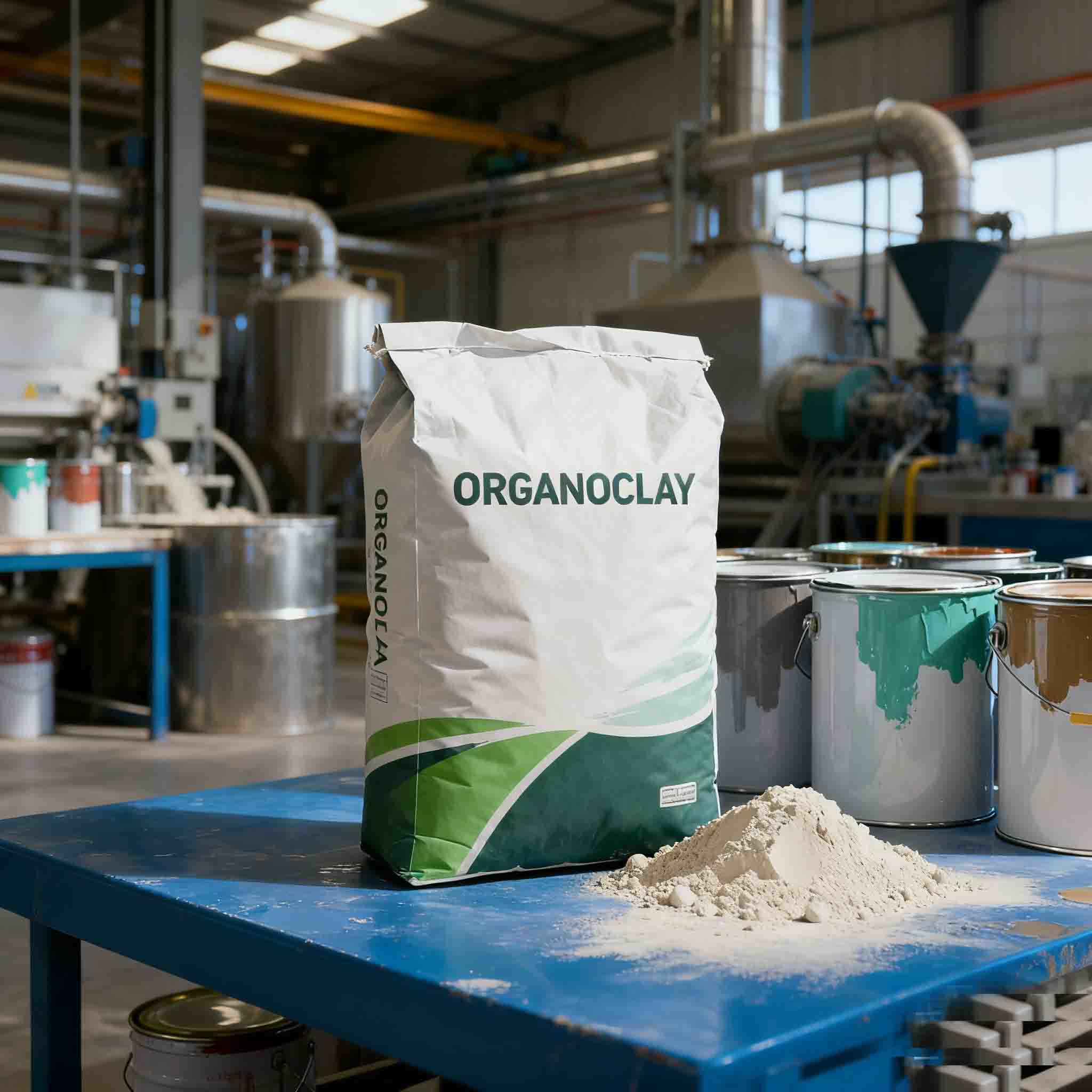
I've been with Camp-Shinning for over twenty years. I've watched the organoclay market evolve from a specialty chemical few people understood to a critical ingredient in dozens of industries. I've also seen customers make expensive mistakes by choosing the wrong supplier. Price isn't everything. Consistency, technical support, and supply reliability matter more. Let me show you exactly what to look for when sourcing organoclay.
How Do You Choose a Reliable Organoclay Supplier?
A customer in Brazil once told me they bought organoclay from five different suppliers over two years. Every shipment performed differently. Their production line became unpredictable. Quality complaints from their customers increased. They lost money on every bad batch.
Choose organoclay suppliers based on manufacturing capability3, technical expertise, quality management systems4, supply chain reliability, and customer support5. Look for ISO certification, production capacity documentation, technical data sheets, application support, and consistent batch-to-batch quality with sample retention programs.
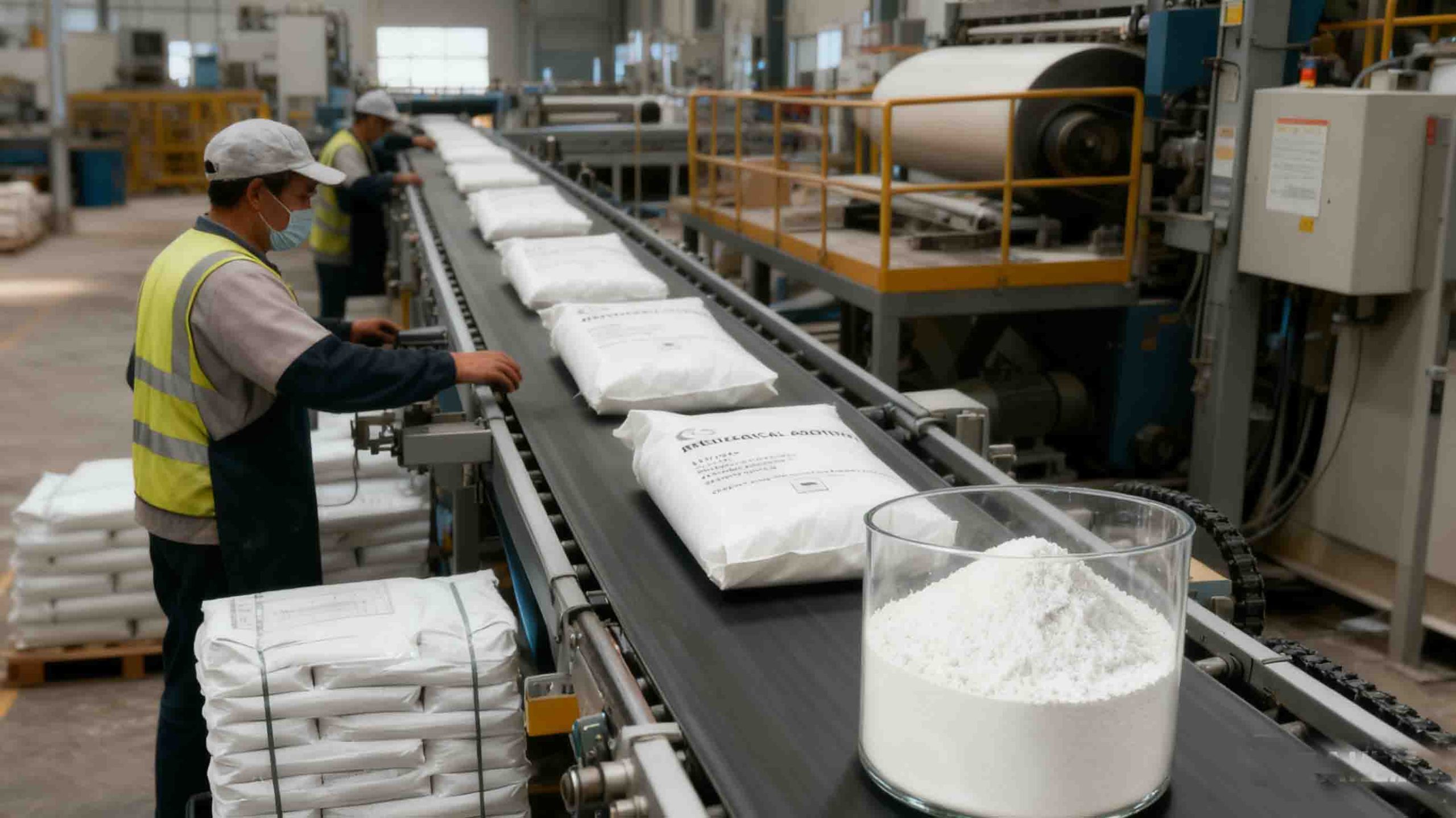
The Brazil customer eventually found us. We showed them our production facility, our testing laboratory, and our raw material mine. We provided samples from three consecutive production batches and proved they were identical. We sent our technical team to their facility to optimize their formulation. They've been ordering from us for eight years now. Zero quality issues. This is what working with a real manufacturer provides.
Manufacturing Capability Verification
Anyone can claim to be an organoclay manufacturer. The truth comes out when you ask specific questions. A real manufacturer owns production equipment and controls the entire process. A trading company just repackages and relabels products from others.
Ask potential suppliers these questions:
- Do you own bentonite mines or control raw material supply? Raw material quality determines final product quality. Suppliers who depend on spot market purchases can't guarantee consistency. At Camp-Shinning, we own our bentonite deposits. We control the entire supply chain from mine to finished product.
- What is your annual production capacity? Small operations can't support large customers. We produce 20,000 tonnes annually, which is 25% of global organoclay capacity. This scale ensures we can meet your volume requirements and maintain consistent quality.
- Can you provide facility tour or production documentation? Legitimate manufacturers welcome facility visits. We regularly host customer delegations at our production site. If a supplier refuses or makes excuses, that's a red flag.
- How do you handle quality control? Real manufacturers have in-house laboratories with trained technicians. They test every batch for moisture content, loss on ignition, viscosity development, gel strength, and other critical parameters. We maintain detailed records and retain samples from every production batch for two years.
The difference between a manufacturer and a middleman becomes obvious once you dig into these details. Manufacturers invest millions in equipment and expertise. They stake their reputation on every shipment. Middlemen just move boxes and take a cut.
Technical Support Capabilities
Organoclay isn't a commodity ingredient you can just dump into your formulation. Different applications require different grades. Dispersion technique matters. Activation procedures vary. A good supplier doesn't just sell you powder. They help you succeed.
Real technical support means:
- Application-specific grade recommendations: We maintain a technical team with decades of experience across coatings, inks, greases, drilling fluids, and other applications. When you describe your formulation and performance requirements, we recommend the specific grade that will work best. This isn't guesswork. It's based on thousands of successful applications.
- Formulation optimization assistance: Sometimes the issue isn't the organoclay grade. It's the mixing procedure, the activator choice, or an incompatibility with another ingredient. Our team can identify these problems and suggest solutions. We've helped customers reformulate products that were failing in the field.
- On-site support for critical applications: For major customers or challenging applications, we send technical personnel to your facility. They observe your production process, identify issues, and implement solutions in real-time. This level of support is only possible from a manufacturer with deep technical expertise.
- Ongoing quality assurance: We don't disappear after the sale. If you experience any performance variation or quality issue, we investigate immediately. Our sample retention program allows us to verify whether the issue is with our product or something else in your process.
| Supplier Type | Technical Knowledge | Problem-Solving Ability | Long-Term Support |
|---|---|---|---|
| Manufacturer | Deep expertise from R&D and production | Can reformulate or adjust products | Committed partnership |
| Distributor | Basic product knowledge | Limited to product substitution | Depends on manufacturer relationship |
| Trading Company | Sales-level information only | None - just sources elsewhere | Moves to easier customers |
What Certifications and Standards Should You Verify?
Every supplier claims their product meets international standards. Some are telling the truth. Others are making empty promises. Certifications and documentation separate legitimate manufacturers from questionable operators.
Verify that organoclay suppliers hold ISO 9001 Quality Management certification, provide REACH compliance documentation for European export, offer detailed technical data sheets (TDS) and safety data sheets (SDS), and maintain traceability through batch numbering systems. Request copies of actual certificates, not just claims.
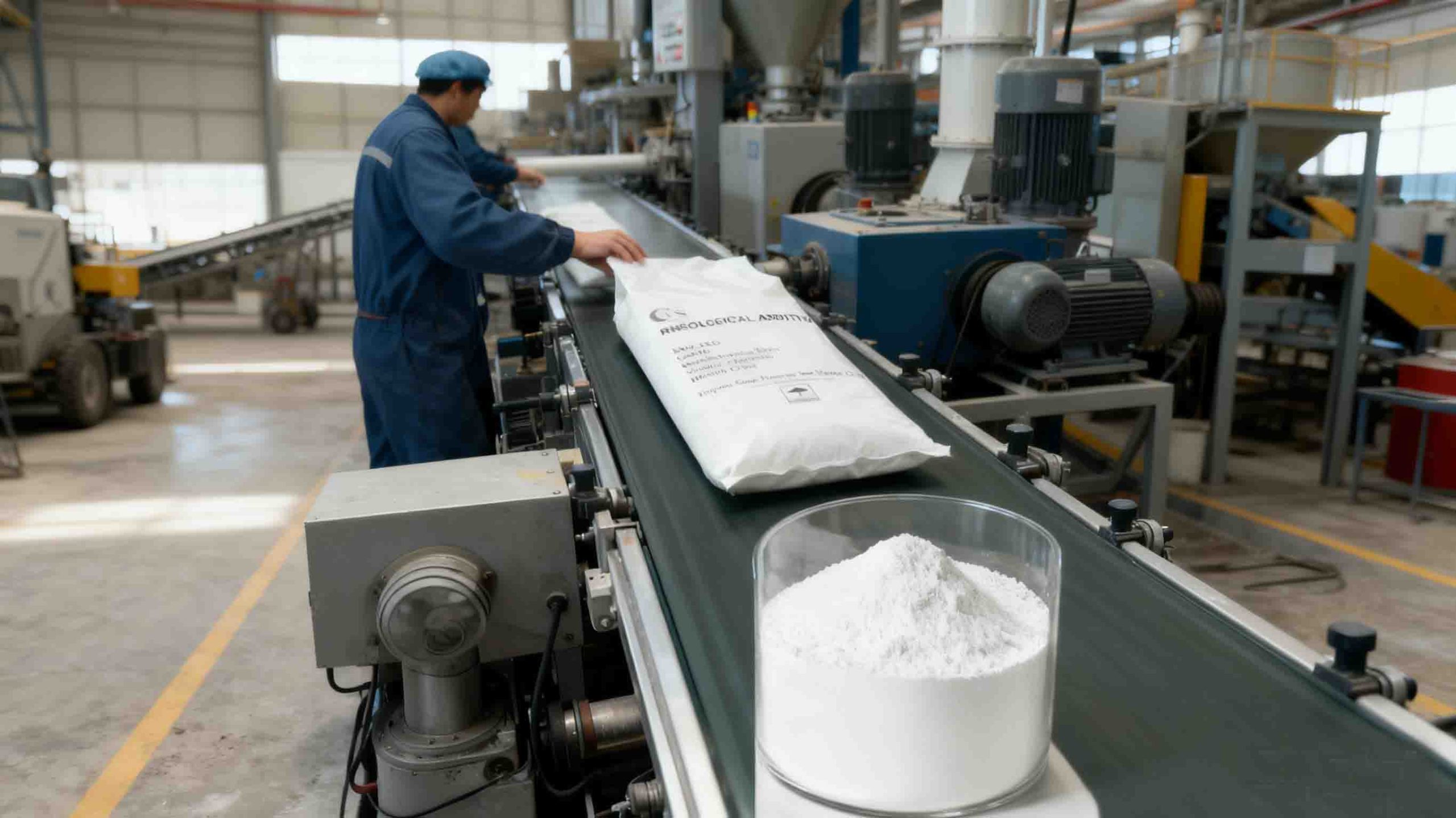
A paint manufacturer in Germany contacted us after their previous supplier failed a REACH compliance audit. The supplier had claimed REACH compliance but never provided proper documentation. The German company faced potential fines and production shutdowns. We provided complete REACH registration documentation within 48 hours and ensured their supply chain compliance. Proper certification isn't just paperwork. It's protection for your business.
Essential Quality Documentation
Professional organoclay suppliers maintain comprehensive documentation for every product and every batch. This documentation protects both you and the supplier by establishing clear quality expectations and traceability.
ISO 9001 Quality Management System: This international standard ensures the supplier has documented procedures for production, quality control, and continuous improvement. It's independently audited, so you know they actually follow their procedures. Camp-Shinning has maintained ISO 9001 certification since 2008. Every production step follows documented procedures. Every deviation triggers corrective action.
REACH Registration: If you're selling into Europe, your organoclay must comply with REACH (Registration, Evaluation, Authorization, and Restriction of Chemicals). Only manufacturers who have completed the expensive and time-consuming REACH registration process can legally supply the European market. We completed full REACH registration for all our major product grades. We can provide the registration documentation to support your compliance.
Technical Data Sheet (TDS): Every organoclay grade should have a detailed TDS specifying chemical composition, physical properties, typical performance data, recommended usage levels, and dispersion instructions. The TDS should include actual test data, not just theoretical claims. Our TDS documents are updated regularly based on production data.
Safety Data Sheet (SDS): The SDS provides critical safety information for handling, storage, and emergency response. It must comply with GHS (Globally Harmonized System) format. We provide region-specific SDS versions that meet local regulatory requirements.
Certificate of Analysis (COA): Every shipment should include a COA showing actual test results for that specific batch. This proves the product meets specifications. We issue a COA for every order, showing moisture content, loss on ignition, viscosity development, particle size distribution, and other critical parameters.
Batch Traceability and Consistency
Organoclay quality can vary from batch to batch if production isn't properly controlled. This creates problems for your production line and your end products. Serious manufacturers implement systems to minimize variation and enable traceability.
At Camp-Shinning, every production batch receives a unique identification number. We retain samples from every batch for 24 months. If you experience any issue with material you received six months ago, we can retrieve the retained sample, retest it, and determine whether the issue originated with our product or elsewhere in your supply chain.
This sample retention program has saved customers millions in troubleshooting costs. When quality issues arise, we can quickly determine root cause instead of pointing fingers. If the problem is our material, we replace it immediately. If the problem is elsewhere, our data helps you find the real cause.
Why Should You Consider Direct Manufacturer Purchase?
Every intermediary in the supply chain adds cost but not value. Distributors mark up prices. Trading companies take their cut. Multiple handling steps increase contamination risk. The manufacturer is the only party who actually adds value by producing the product.
Direct manufacturer purchase eliminates markup costs, ensures authentic product quality, provides access to technical expertise, enables customization for specific applications, and establishes reliable long-term supply relationships. For volume users, direct purchase typically reduces costs by 15-30% compared to distributor pricing.
We sell both directly to end users and through select distributors. The end users who buy directly get better pricing, faster technical support, and first priority during supply constraints. The distributors serve small customers who need local service and smaller quantities. If you're using more than a few tonnes per year, direct purchase makes economic sense.
Cost and Supply Advantages
The financial benefits of direct manufacturer purchase6 compound over time. The initial price difference is just the beginning.
Pricing Structure: Distributors typically add 20-40% margin to manufacturer pricing. Trading companies add another layer. By the time organoclay reaches the end user through multiple intermediaries, the price may be double the manufacturer's direct price. This isn't sustainable for volume users. For a customer using 100 tonnes annually, direct purchase could save $50,000-100,000 per year.
Volume Discounts: Manufacturers can offer volume discounts because they control production costs. Distributors can't offer the same discounts because they're already paying manufacturer prices plus their margins. We offer tiered pricing based on annual volume commitments. Larger customers get better pricing without sacrificing quality.
Supply Security: During supply constraints or raw material shortages, manufacturers prioritize their direct customers. Distributors and trading companies compete for available supply and often face allocation. Direct customers maintain production continuity while competitors scramble for material.
Payment Terms: Manufacturers can offer flexible payment terms to qualified customers. We extend credit to long-term customers with good payment history. This improves your cash flow and working capital management.
Customization and Development Partnership
The most valuable benefit of direct manufacturer relationships isn't cost. It's the ability to customize products and develop solutions together. Distributors can only sell what exists. Manufacturers can create what you need.
We've developed custom organoclay grades for major customers with unique requirements. One aerospace lubricant manufacturer needed organoclay that performed at temperatures exceeding 300°C. Standard grades weren't sufficient. We modified our synthesis process and created a specialized grade that met their requirements. This product is now available to other customers facing similar challenges.
Another example: a printing ink manufacturer in South Korea needed organoclay with exceptionally light color for white inks. Our standard grades had a slight yellow tint that affected their final color. We adjusted our purification and modification process to produce an ultra-light colored grade. Their white inks now have better brightness and color purity.
These development projects only happen through direct manufacturer relationships. Distributors can't modify products. They can only choose from existing inventory.
Conclusion
Buy organoclay from established manufacturers with verified production capacity, quality systems, and technical support. Direct purchase eliminates middlemen, ensures consistency, provides customization options7, and delivers better long-term value for your business.
Explore this link to discover trusted suppliers of bentonite organoclay that meet quality standards. ↩
Understand the significance of technical support in optimizing your formulations and ensuring success. ↩
Learn about essential manufacturing capabilities that ensure product quality and reliability. ↩
Discover the best practices in quality management systems that ensure consistent product quality. ↩
Learn about the importance of customer support in maintaining a successful supplier relationship. ↩
Explore the advantages of direct purchasing, including cost savings and better support. ↩
Find out how customization can enhance your formulations and meet specific requirements. ↩