
Organophilic clay for mineral oil
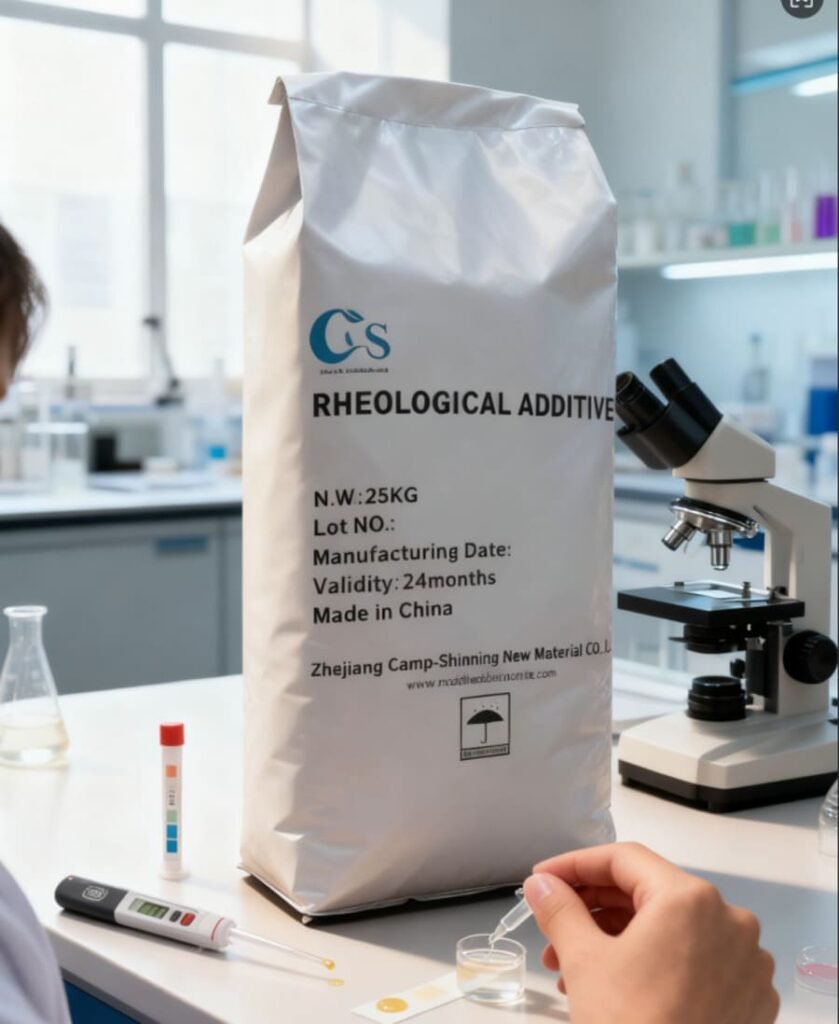
Organophilic clay for mineral oil
Ultra-high efficiency organophilic clay designed for mineral oil and synthetic base fluids to enhance carrying capacity and improve hole cleaning performance. It also serves as an effective suspension agent for polymer slurries.
Composition
Typical Properties of Organophilic clay for mineral oil
Storage and Transportation
Applications of Organophilic clay for mineral oil
Oil-Based Drilling Fluids
Special Features and Benefits
Recommended Uses
Organically modified natural phyllosilicates are versatile rheology additives suitable for both solvent-borne and solvent-free systems. They impart thixotropic flow behaviour and significantly enhance anti-settling properties, storage stability, and sag resistance. These additives are particularly effective in the low to mid shear range, and different types are available to match the polarity of the systems in which they are used. They can be applied in coatings, construction formulations, adhesives and sealants, printing inks, thermosets, lubricants, as well as household, institutional, and industrial cleaners.
Key Benefits:
-
Versatile rheology additives for a wide polarity range and various applications
-
Provide thixotropic, shear-thinning flow for easy application
-
Improve levelling, sag resistance, and storage stability
-
Self-activating grades require no polar activator