
What Is Organophilic Clay?
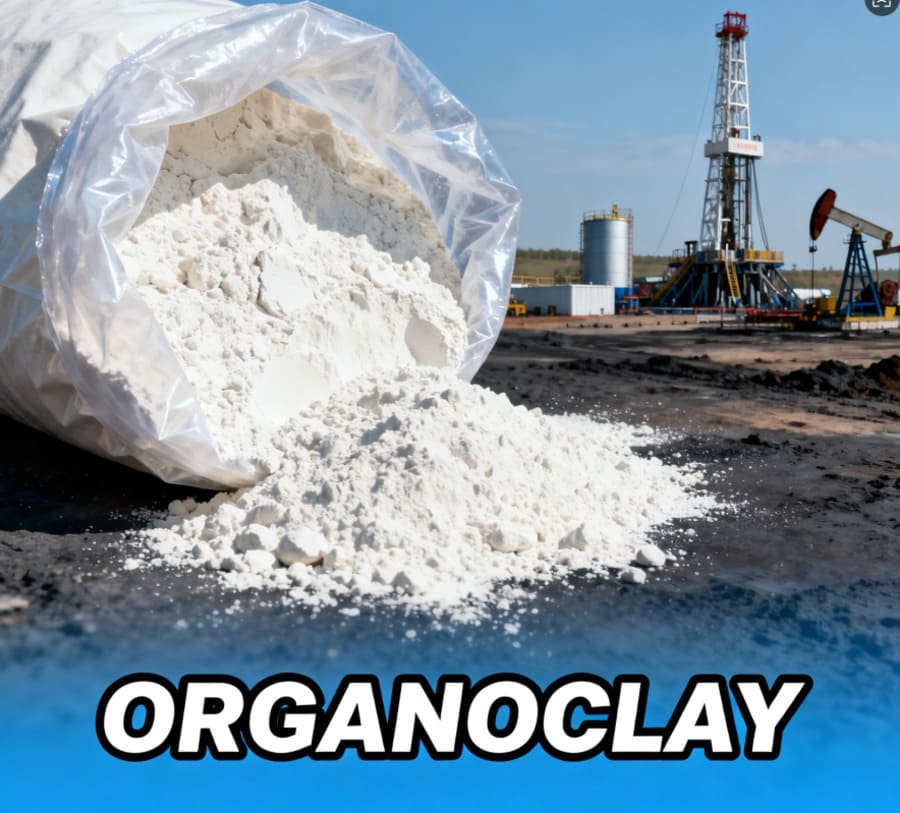
Struggling with pigments settling or your formula separating? This common problem ruins product quality and performance. A special additive, organophilic clay[^1], is the solution you need.
Organophilic clay, also known as organoclay, is a modified bentonite clay. Its surface is chemically altered from water-loving (hydrophilic) to oil-loving (organophilic)[^2]. This change allows it to thicken, suspend particles, and stabilize formulations[^3] in oil-based or solvent-based systems[^4] like paints, greases, and inks.
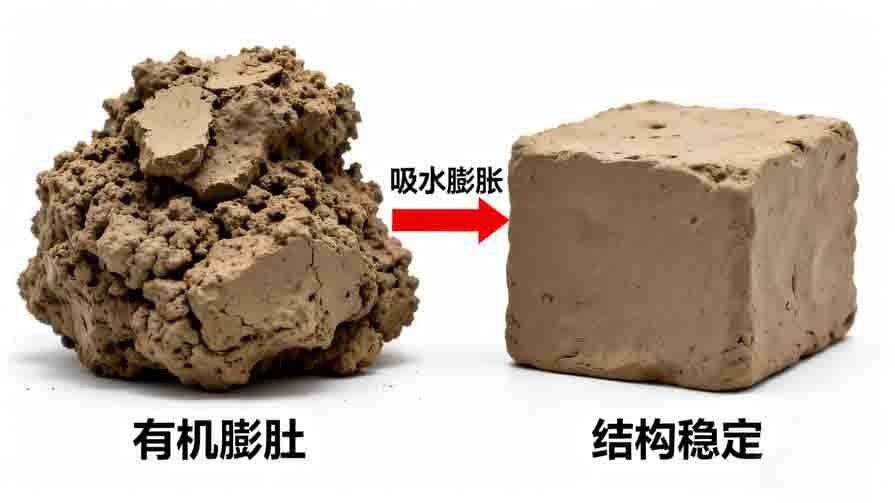
When I first started in this industry over 20 years ago, I was amazed by how a simple modification to natural clay could solve so many complex formulation problems. It’s not just a filler; it’s a powerful tool that brings consistency and stability to countless products. Understanding how this transformation happens and why it works so well is key to unlocking its full potential in your own applications. Let’s dive a little deeper into this fascinating material.
How is hydrophilic clay turned into organophilic clay[^1]?
Natural clay loves water but repels oil. This makes it useless in most solvent-based paints, greases, or drilling fluids. But a simple chemical swap changes everything.
Organophilic clay is made by modifying natural montmorillonite clay. We replace its water-loving inorganic cations with oil-loving organic cations, like quaternary ammonium salts. This simple change flips its surface chemistry, making it fully compatible with organic systems.
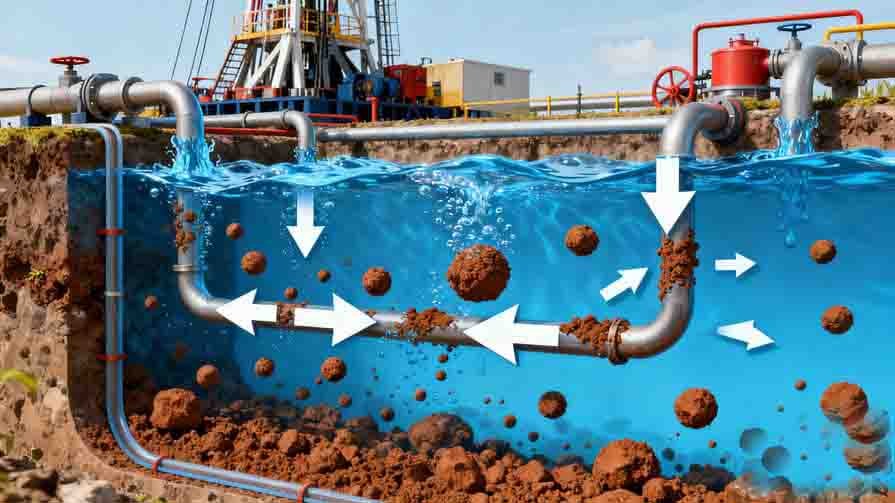
The process of turning a natural mineral into a high-performance additive is a perfect example of smart chemistry. It's a journey from a hydrophilic material that clumps in oil to a sophisticated rheology modifier[^5] that disperses perfectly. This transformation is the foundation of its functionality.
The Chemical Transformation Process
The starting material is usually a type of bentonite clay called montmorillonite. In its natural state, this clay has a layered structure. Between these layers are inorganic cations, such as sodium or calcium. These cations attract water molecules, which is why the clay is hydrophilic, or "water-loving." When you try to mix this raw clay into an oil-based system, it simply won't disperse. It will either float on top or sink to the bottom as useless clumps. The key to making it useful is to change its fundamental nature.
The Role of Quaternary Ammonium Salts
The magic happens through a process called ion exchange. We introduce organic cations, most commonly quaternary ammonium salts, to the clay. These "quats" have a positively charged head that is attracted to the negatively charged clay surface, and one or more long hydrocarbon "tails" that are organophilic, or "oil-loving." The quats displace the inorganic sodium or calcium ions between the clay layers. This effectively coats the clay platelets with an organic, oil-friendly surface. This single step transforms the clay from hydrophilic to organophilic, allowing it to work its magic in a world of solvents, oils, and polymers.
Why does organophilic clay[^1] work so well in organic systems?
Your paint sags, and your pigments settle to the bottom. This leads to inconsistent color, poor application, and frustrating results. The unique structure of organophilic clay[^1] creates a powerful internal network that stops this from happening.
After modification, the clay keeps its layered structure, but the spacing between layers widens. In an oil or solvent system, these layers separate under shear and form an invisible 3D network[^6]. This network traps liquids and solids, providing excellent thickening and anti-settling[^7] properties.
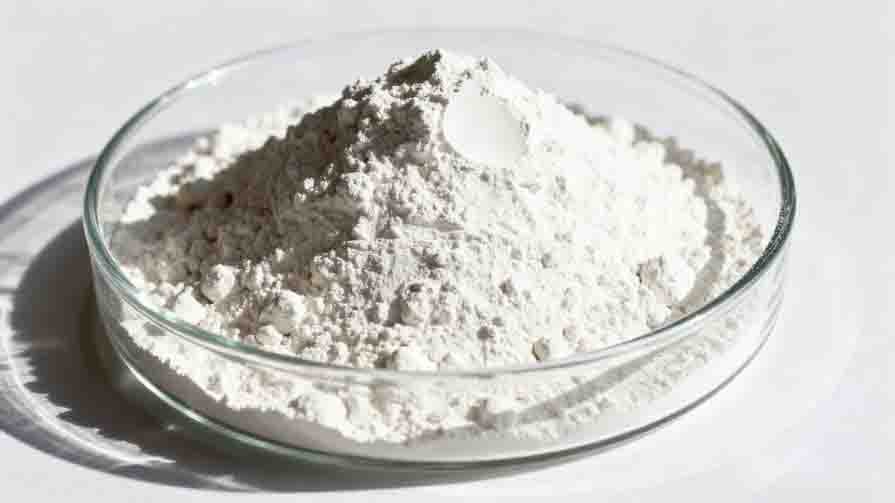
I often compare this internal structure to a house of cards. It's strong enough to hold everything in place when at rest but allows for easy flow when you need it. This dual behavior, known as thixotropy, is what makes organoclay such a valuable and versatile tool for formulators in so many different industries.
The Three-Dimensional Network
When organoclay is dispersed in a solvent-based system with sufficient shear (like during mixing), the individual clay platelets separate. Because of their new organophilic surface, they interact with each other and the surrounding liquid to form a three-dimensional lattice structure. This network is strong enough to suspend heavy particles like pigments and fillers, preventing them from settling over time. However, when you apply force—by brushing paint or pumping grease—the network temporarily breaks down. The platelets align in the direction of the force, causing the viscosity to drop and allowing the material to flow easily. Once the force is removed, the network quickly rebuilds itself. This shear-thinning and recovery behavior is the essence of thixotropy.
Key Performance Characteristics
This unique structure gives organophilic clay[^1] several critical performance benefits that make it an indispensable additive.
| Property | Description |
|---|---|
| Thixotropy | Provides high viscosity at rest to prevent sagging and settling, but thins under shear for easy application. |
| Suspension | The 3D network[^6] effectively suspends solids like pigments and fillers, ensuring product uniformity and stability. |
| Sag Control | Prevents paints and coatings from dripping or sagging after being applied to a vertical surface. |
| Thermal Stability | The clay's mineral backbone allows it to maintain its performance even at high temperatures, crucial for applications like greases. |
What are the core functions and applications of organophilic clay[^1]?
Products look uniform when new but separate or settle over time. This shortens shelf life, leads to waste, and frustrates customers. Organophilic clay acts as a reliable guardian, ensuring long-term stability.
The core functions of organophilic clay[^1] are thickening, suspending, and controlling rheology. It's widely used in industrial applications like coatings, inks, greases, and drilling fluids, as well as in consumer products like cosmetics[^8] and adhesives to ensure stability and perfect texture.
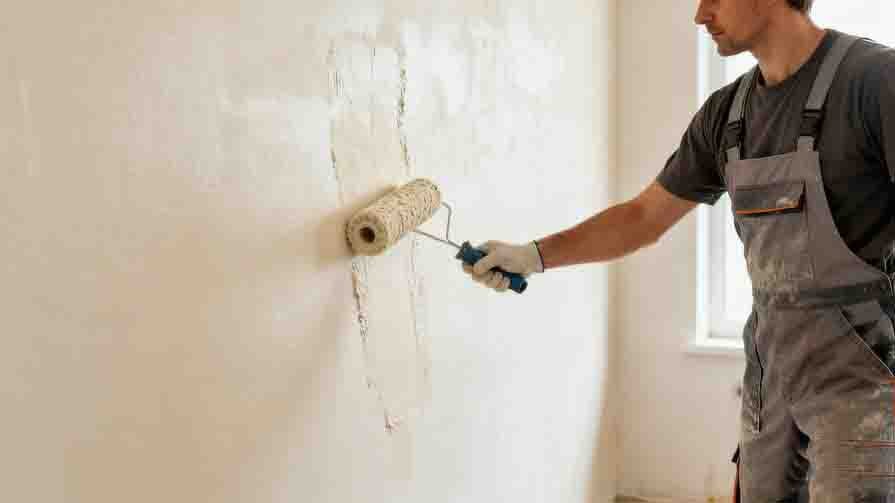
Over my two decades at Camp-Shinning, I’ve seen our organoclay become a critical component in an incredible range of products. From the drilling mud used deep underground to the lipstick you might see every day, its ability to control flow and maintain stability is essential.
A Master of Rheology Modification
At its heart, organoclay is a rheology modifier. This means it controls the flow and deformation properties of a liquid. Its primary job is to build viscosity and create a thixotropic structure. This structure does two main things:
- Thickening and Anti-Sagging: In paints and coatings, it provides the body needed to prevent the paint from sagging or running down vertical surfaces after application. This ensures a uniform, smooth finish.
- Anti-Settling and Suspension: In any system with solid particles—like pigments in paint, fillers in sealants, or weighting agents in drilling fluids—the organoclay network holds these solids in suspension[^9]. This prevents them from forming a hard cake at the bottom of the container, extending the product's shelf life and ensuring it's ready to use.
Key Application Areas
The versatility of organoclay makes it valuable across many industries. At Camp-Shinning, we supply customized grades for each of these sectors:
- Paints, Coatings, and Inks: Used in solvent-based systems[^4] to control viscosity, prevent pigment settling, and improve brushability.
- Grease Lubricants: Acts as a non-soap thickener to create high-temperature greases that maintain their consistency under extreme heat and pressure.
- Oilfield Drilling Fluids: A vital component in oil-based muds, where it suspends weighting materials, controls fluid loss, and helps carry rock cuttings to the surface.
- Adhesives and Sealants: Provides thickening and anti-sag properties, ensuring sealants stay in place after application.
- Cosmetics: Used in products like lipsticks, foundations, and sunscreens to improve texture, stability, and feel on the skin.
Conclusion
Organophilic clay is a powerful and versatile additive. It transforms formulations by providing essential thickening, suspension, and stability, ensuring products perform consistently from the factory to the end-user.